Biotech Manufacturing Explained
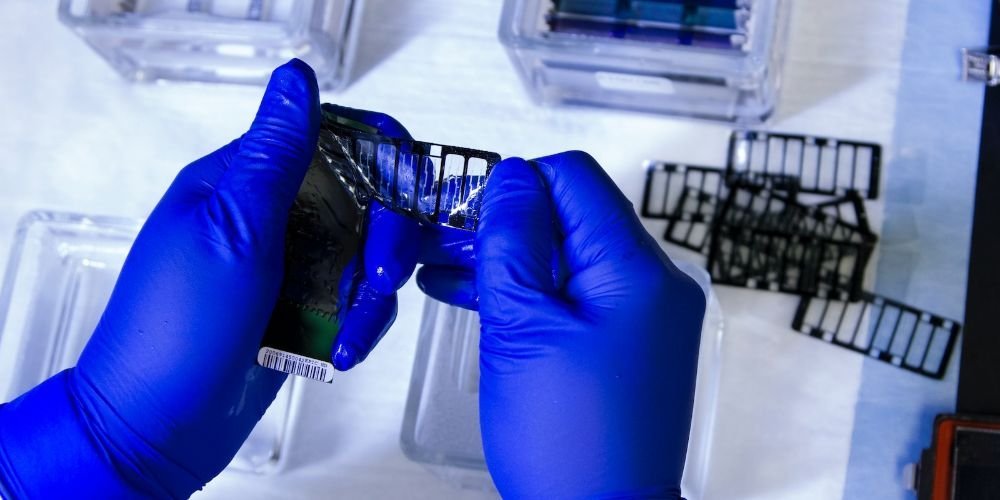
Biotech manufacturing (biomanufacturing) uses living cells, enzymes, or biologically derived systems to produce high-value products—from vaccines and biologics to enzymes, biofuels, and specialty chemicals. Unlike traditional “chemical-only” methods, it harnesses natural pathways to deliver precision, scalability, and sustainability.
How Biotech Manufacturing Works
Biomanufacturing typically follows a tightly controlled, GMP-compliant workflow:
- Upstream processing: cell‐line development, media prep, fermentation/bioreactors.
- Downstream processing: harvesting, filtration, chromatography, purification, formulation.
- Fill-finish & packaging: sterile environments, validated equipment, quality release.
Common unit operations you’ll see across facilities include mixing, milling, formulating, coating, sterilizing, and aseptic filling—each validated to meet strict quality and safety standards.
Facility Requirements (What Landlords and Tenants Should Know)
- Cleanrooms & containment: ISO-rated suites, BSL-2/BSL-3 as needed, pressure cascades, HEPA filtration.
- Utilities & power: reliable electrical capacity, backup generation, compressed air, vacuum, purified water (RO/DI), and process gases (CO₂, N₂, O₂).
- Environmental controls: tight temperature/humidity, robust HVAC with redundancy.
- Workflow & adjacencies: logical flow from “dirty to clean” to reduce cross-contamination; material and personnel airlocks; gowning rooms.
- Compliance & QA: GMP documentation, calibration and maintenance programs, validated CIP/SIP systems, and controlled warehousing (including cold storage).
- Flex for growth: modular suites and single-use systems that let teams scale batches without long shutdowns.
Benefits of Biotech Manufacturing
- Targeted therapies & faster iteration: supports complex biologics and next-gen modalities.
- Sustainability: often lower solvent use and energy per unit produced.
- Resilience & speed: single-use tech reduces changeover time; modular rooms accelerate scale-up.
Key Challenges (and How Strategy Helps)
- Capital intensity: specialized build-outs (cleanrooms, process utilities) require meaningful TI planning.
- Regulatory burden: GMP, validation, and ongoing QA/QC raise both time and cost.
- Supply chain & talent: long lead times for equipment and competition for skilled staff.
- Market timing: avoid overbuilding by phasing capacity and using adaptable layouts.
Safety & Compliance in Practice
Expect strict gowning protocols, controlled air quality, validated sterilization, and documented SOPs. Modern facilities look more like surgical suites than factories—because product integrity and patient safety depend on it.
Lease & Site Selection Tips
- Match use to envelope: verify loading, slab capacity, ceiling heights, and hazardous materials allowances.
- Budget realistically: align TI allowances with cleanroom needs, utilities, and specialty equipment infrastructure.
- Plan for cold chain: allocate space for walk-ins/ULFs and ensure power redundancy.
- Future-proofing: prioritize buildings that can flex between R&D, pilot, and small-scale GMP.
How IPG Helps
Whether you’re siting an R&D pilot line or expanding to small-scale GMP, we align your process map with the right power, utilities, layouts, and code path—so your facility supports science, speed, and compliance. Need guidance on biotech space? Let’s talk.
Explore More Insights